The other day, a friend messaged me in a slight panic:
“Should I really be oil pulling for 30 minutes every morning? Some ‘expert’ online swears by it.”
She then confessed she wasn’t even sure what oil pulling was.
If you’ve ever fallen down a Google rabbit hole or gotten unsolicited health advice from WhatsApp University, you know how quickly misinformation spreads—often without any regard for safety or context. Ayurveda always asks us to be discerning about the sources we trust.
So let’s break down what oil pulling actually is, what it does, and how to practice it in a way that supports—not stresses—your system.
What is Oil Pulling?
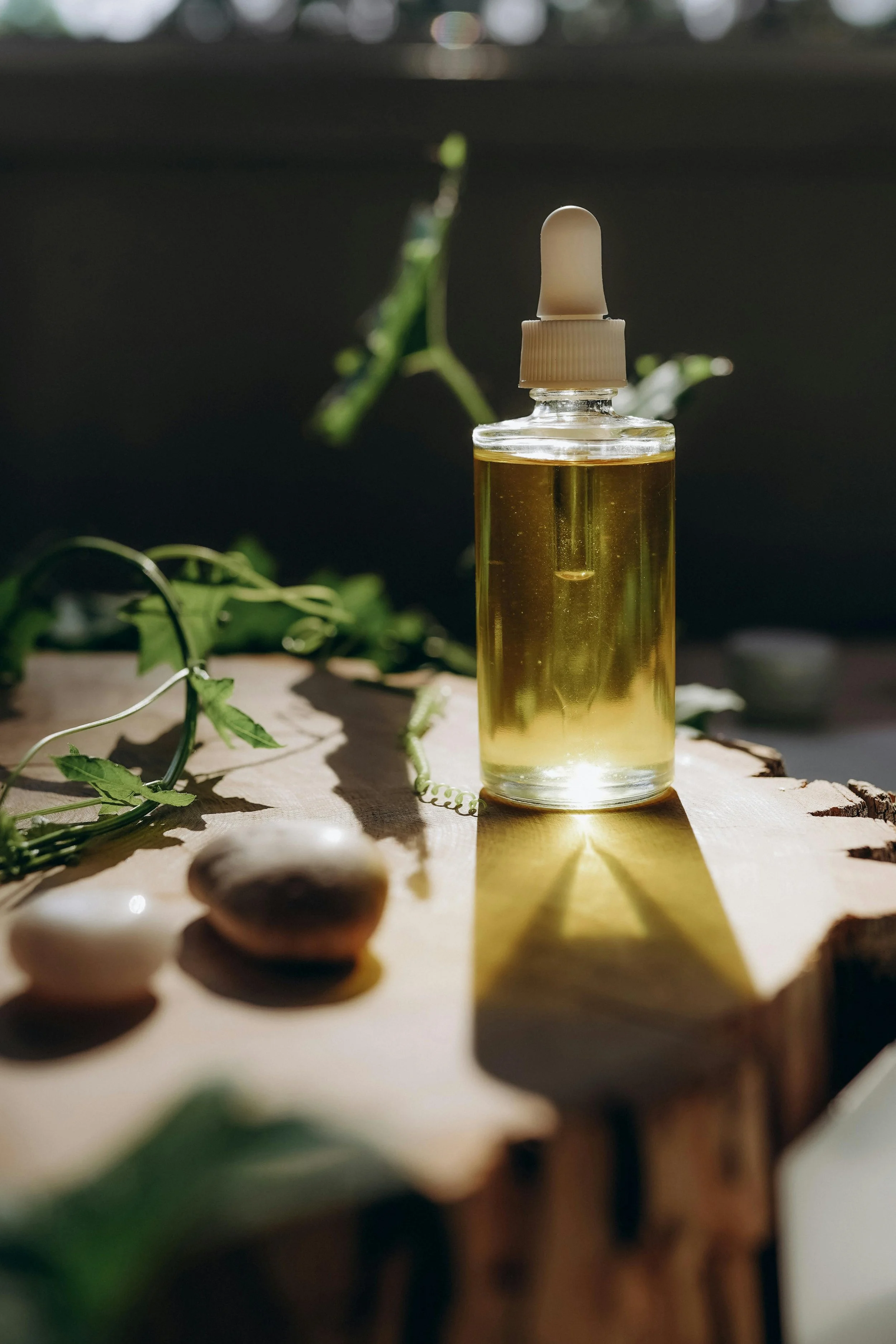
Oil pulling is an ancient Ayurvedic cleansing practice where you swish edible oil in your mouth on an empty stomach. After a few minutes of gentle swishing, you spit the oil out.
In classical Ayurvedic texts like the Caraka Samhita, this practice is referred to as kaval dhāraṇa or gaṇḍūṣa. It is traditionally done first thing in the morning as part of dinacharya (daily routine).
I’ve practiced oil pulling consistently for years, and the difference I feel when I skip it is noticeable. My body doesn’t get that early-morning detox cue, and my mouth feels less fresh.
What Are the Benefits of Oil Pulling?
According to the Caraka Samhita, swishing oil activates enzymes in the mouth that help draw toxins (āma) from the bloodstream. This process supports both oral health and systemic balance.
Potential Benefits Include:
Reduced bad breath
Prevention of dental decay
Improved gum health
Decreased harmful bacteria
Strengthened oral tissues
Smoother digestion and improved gut flora
Relief from cracked lips
Reduced inflammation
One of the major contributors to tooth decay is Streptococcus mutans, a microorganism present in the mouth. Daily oil pulling for even 10–15 minutes can help reduce S. mutans and protect against tooth problems.
Some practitioners also believe oil pulling may help ease headaches, asthma, or even support metabolic health. While scientific evidence is limited, emerging research suggests it may help bring the mouth’s pH toward a healthier, more neutral range.
How to Practice Oil Pulling (The Right Way)
Oil pulling is simple, but technique matters:
Take 1 tablespoon of oil.
Gently swish it in your mouth—forward, backward, side-to-side.
Let your facial muscles do the work, not your throat.
Swish for 5–15 minutes (start slow).
Spit the oil into a trash can (not the sink—avoid clogged pipes!).
The oil should look milky white and foamy when you spit it out.
Do not swallow—the oil is now full of toxins and bacteria.
Rinse with warm water, and optionally brush your teeth.
Which Oil Should You Use?
Ayurveda doesn’t believe in one-size-fits-all answers. Your dosha, season, imbalances, and personal sensitivities all matter. But a few oils have been used widely and safely for centuries:
Sesame Oil (Most Traditional + Medicinal)
Rich in nutrients
Antioxidant heavyweights: sesamin, sesamolin, sesaminol
Contains chlorosesamone — known for antifungal properties
A study at Maharishi International College in Florida found an 85% reduction in gingivitis-causing bacteria after sesame oil rinsing
Coconut Oil (Cooling + Great for Summer)
Contains lauric acid
Reacts with saliva to form a gentle, soap-like substance
Antimicrobial + anti-inflammatory
Both oils work beautifully—you can choose based on preference, climate, or guidance from an Ayurvedic practitioner.
A Few Things Oil Pulling Is Not
Oil pulling is not a replacement for:
Brushing
Flossing
Tongue scraping
Dental care
Think of it as a supportive, preventative, detoxifying ritual—not a cure-all.
Final Thoughts: Start Slow and Stay Consistent
Ayurveda teaches us to build habits sustainably. If you’re new to oil pulling:
Begin 2–3 times a week
Swish for 2–5 minutes
Increase gradually as your jaw adapts
And if you have dental issues, chronic inflammation, or aren’t sure which oil suits you, speak with an Ayurvedic practitioner before starting.
Oil pulling is simple, grounding, and deeply cleansing. When practiced correctly, it’s a beautiful way to support oral and systemic health—one swish at a time.
If you’d like to learn more about oil pulling or other Ayurvedic therapies, book a consult with me today!

Disclaimer: The content is purely informative and educational in nature and should not be construed as medical advice. The information is not intended for use in the diagnosis, treatment, cure, or prevention of any disease. Please use the content only in consultation with an appropriate certified medical or healthcare professional. If you are looking for advice from a trained yogi and ayurvedic coach, contact me here.





Popular Blog
Articles